






The deep integration of AI and display technology serves as the core engine driving the high-quality development of the new display industry. Through mutual empowerment and deep coupling, the two are reshaping the entire chain spanning R&D, manufacturing, operation and application, propelling the sector from scale expansion to value leaping. Today, the transformation brought by "AI + Display" covers technological breakthroughs, scenario implementation, localized cultivation and global collaboration, and has emerged as a new focal point in global sci-tech industry competition.
When "Display" Meets "AI": A Profound Industrial Transformation
Artificial intelligence and novel display technologies feature a synergistic relationship of deep coupling between "intelligent core and hardware carriers. The " intelligence" of AI needs to reach users through a tangible interactive interface, and novel display technologies, with their characteristics of high definition, flexibility and scenario-based adaptation, precisely serve as the most critical " expression window" for artificial intelligence.
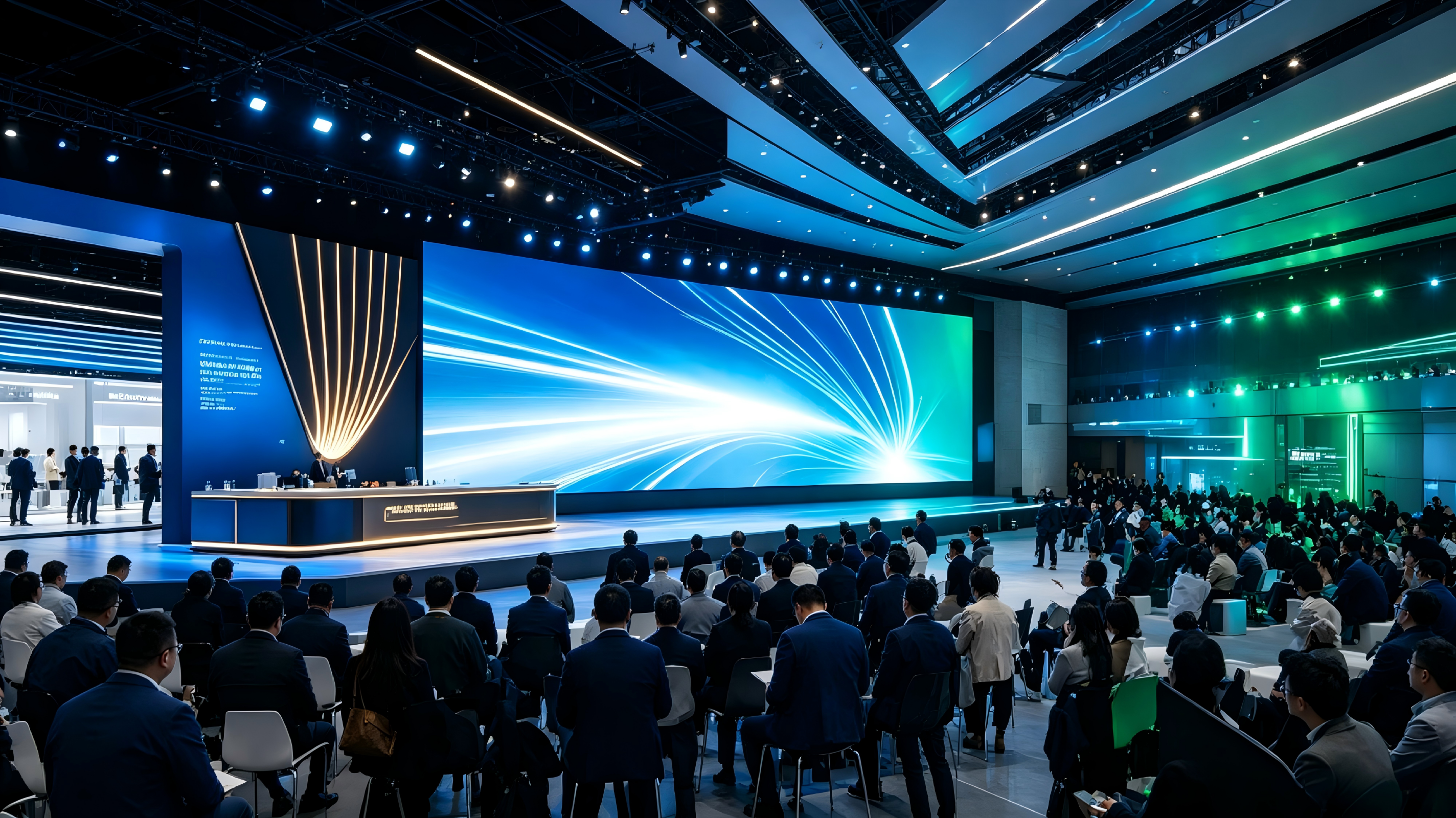
At the "2025 World Display Development Conference" held in Chengdu, nearly 200 globally launched achievements serve as a concentrated manifestation of this kind of "expression". AI is no longer merely a concept, but is reshaping the entire lifecycle of the display industry.
From Manufacturing to "Smart Manufacturing": How Is AI Reconstructing the Display Industry Chain?
R&D End: An Efficiency Revolution from "Monthly" to "Hourly"
AI is drastically shortening the design cycle. LG Display of South Korea used "Design AI" to cut the design time for flexible panels from nearly one month to just 8 hours.
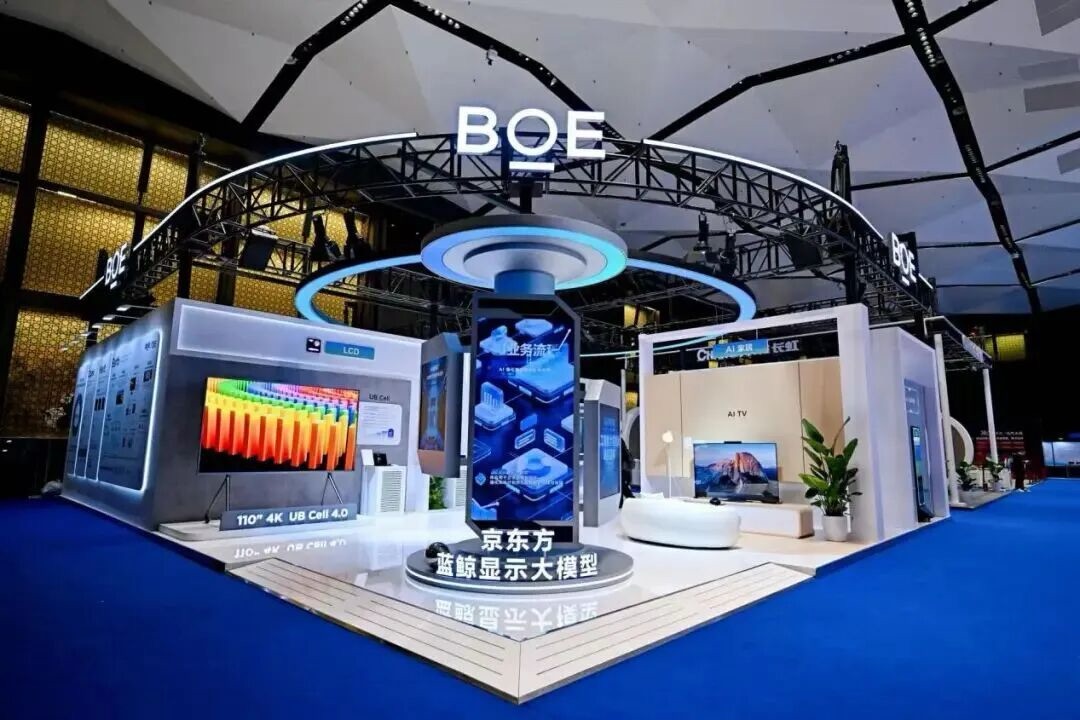
In China, BOE, the leading player in the industry, has launched the "BOE Blue Whale Display Large Model", which can also complete a design scheme within 2 minutes after a hand-drawn sketch is uploaded, boosting R&D speed by nearly 10 times. This efficiency improvement is the key driving force behind the Chinese display industry's transformation from a follower to a global leader.
Manufacturing End: Evolving towards "AI" Super Factories
Intelligentization in the production process is the core of improving yield and quality. Samsung Display's "AI Super Factory" strategy has increased production yield by 8% and reduced production cycle time by 25%.
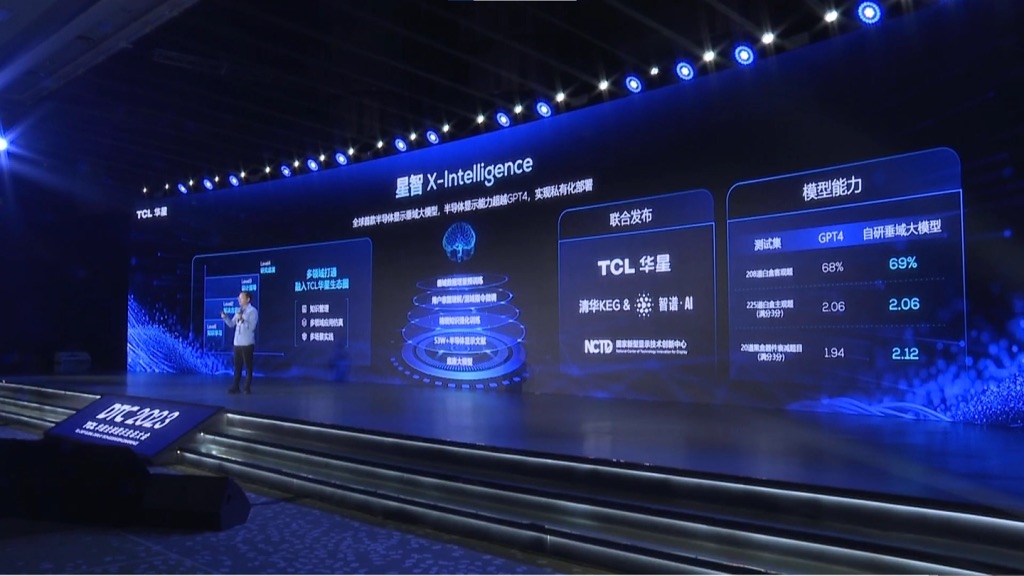
In China, TCL CSOT has fully deployed the "Visual Inspection Network" powered by its "StarGPT 3.0" across 9 of its smart factories, which is capable of identifying over 4,000 types of micron-level defects, delivering a 12% improvement in accuracy and a 4x increase in inspection efficiency.
At Tianma Microelectronics, the "AI Visual Inspection System" boasts a defect recognition accuracy rate of up to 99.3%, significantly outperforming the industry average.
These practices demonstrate that Chinese display manufacturers are building a strong manufacturing Competitive Edge through AI.
China’s Strengths and Challenges: Moving Towards Leadership Through “Two-Way Empowerment”
China's new display industry has achieved world-renowned accomplishments. During the 14th Five-Year Plan period, its output value accounted for over 53% of the global total, and in cutting-edge fields such as AMOLED, it surpassed overseas competitors for the first time in terms of shipment area, reaching 52%. This provides the world's most complete industrial system and the broadest application scenarios for the integration of AI and displays.
The rapid development of China's AI + display industry boasts core strengths while also facing pressing challenges that demand breakthroughs, and these are also issues that must be squarely addressed for the industry to achieve high-quality development.
Core Strengths
Fast implementation: As one of the world's largest consumer markets and industrial clusters, it boasts abundant application scenarios that enable rapid technology verification and iteration.
Massive data acquisition: The global share of panel production capacity exceeds 75%, providing massive manufacturing data for AI Model Training.
Low deployment cost: With a solid digital foundation, the cost of AI implementation in China is 30%-50% lower than that in overseas markets, giving it a remarkable cost-performance edge.
Existing Weaknesses
High barriers in equipment and materials: partial external reliance on core upstream process equipment and materials restricts the depth of AI applications.
There is a significant gap in core algorithms: at the levels of basic models and original algorithms, there remains a gap compared with the world's top-tier standards.
Low participation in international standard-setting: There is a need to further enhance the right to speak in the field of global industry standard formulation.

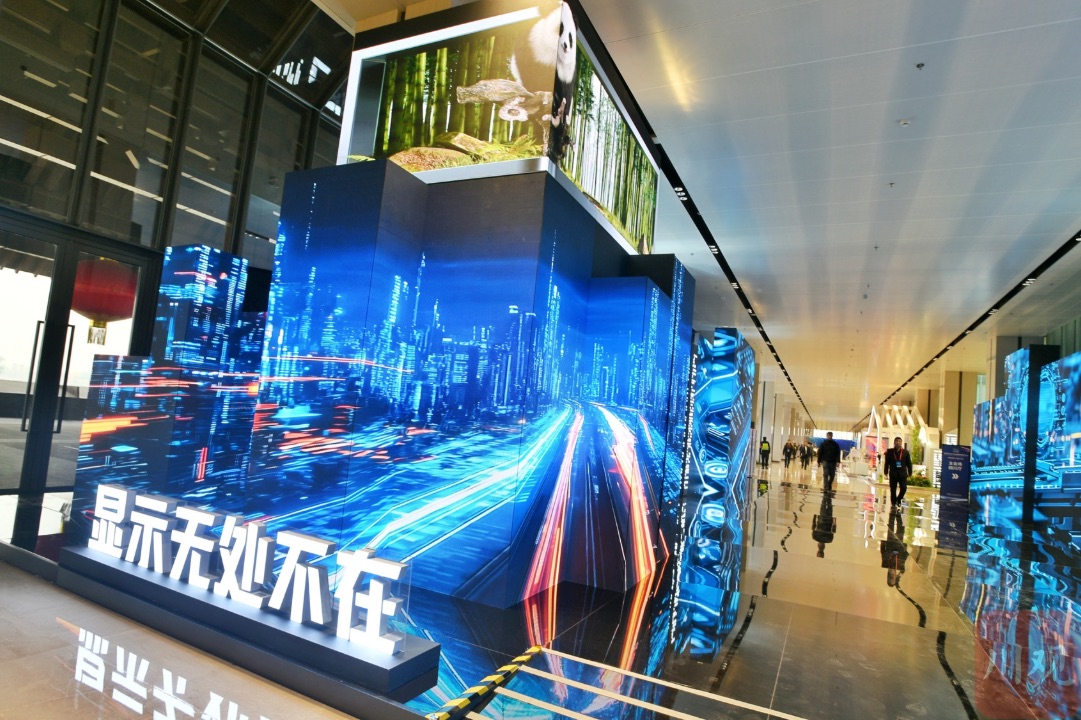
"The ultimate vision of the new display industry is 'ubiquitous displays', and AI is energizing the realization of this vision. "
From individual technological breakthroughs to end-to-end intelligent integration, and from scale expansion to value enhancement, China's display industry, with AI + display as its core engine, is continuously driving the sector towards intelligence, high-end orientation and green development, ultimately realizing the industrial vision of "display everywhere" and injecting a steady stream of new-quality productive forces into the development of the global digital economy.